
Want to become a writer?
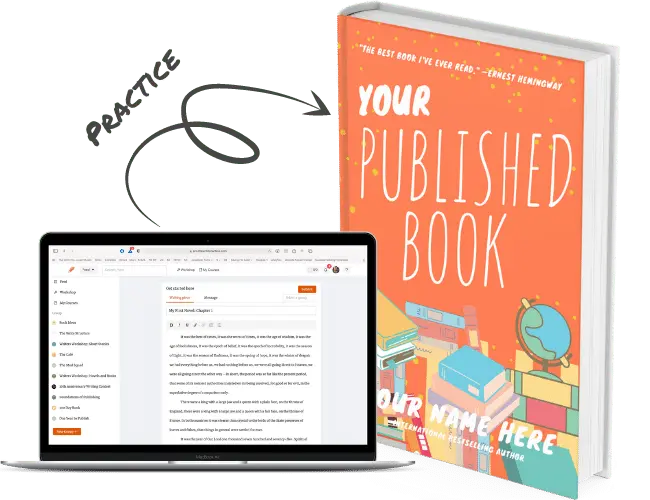
We turn aspiring writers into published authors through deliberate practice.Get our 10-step guide that's helped 100,000+ of new writers (and get started on your writing journey in just a few minutes).
What Writers Are Saying
There are so many worthy writing blogs out there, but what makes this one unique is how extremely practical and relevant it is. It’s focused and intentional, providing exactly what every writer needs: PRACTICE.
You want to get published. That makes sense. Most writers do.
But here’s the question: are you practicing?
Because Michael Jordan and Cristiano Ronaldo practiced.
Tiger Woods practiced. He took his first swing when he was two years old.
Bill Gates practiced.
Pablo Picasso practiced. He started painting when he was seven.
Heck, even doctors, lawyers, and yoga teachers have a “practice.”
But every writer thinks they don't have to practice.
They think all they have to do is start writing and let the “magic” happen.
Most writers think they were born with whatever talent they have and they’re not going to get much better.
Most writers believe if you’re not a genius writer, you’ll never be one. They believe if you’re not a good writer, you’ll never become a good writer. They believe that we are limited, basically, to whatever talent we were born with.
At The Write Practice, we don’t believe that:
- We believe everyone can become a great writer.
- We believe everything has something important they have to share with the world.
- We believe everyone can grow through practice (and everyone can get published).
And you? Are you practicing your writing?
I started The Write Practice in 2011 with one goal, to help writers like me. To help them practice, become better writers, and get their best writing published.
The Write Practice is here to kick-start your writing practice. You have to write millions of words no one is ever going to see before you can write the ones that will change someone’s life.
With our coaching and your willingness to show up and get your hands dirty (metaphorically of course—we're writers after all!), you’ll be on your way not just to publishing, but to becoming a writer people will actually want to read.
Welcome to The Write Practice.
Ready to start your practice?