by Sue Weems |
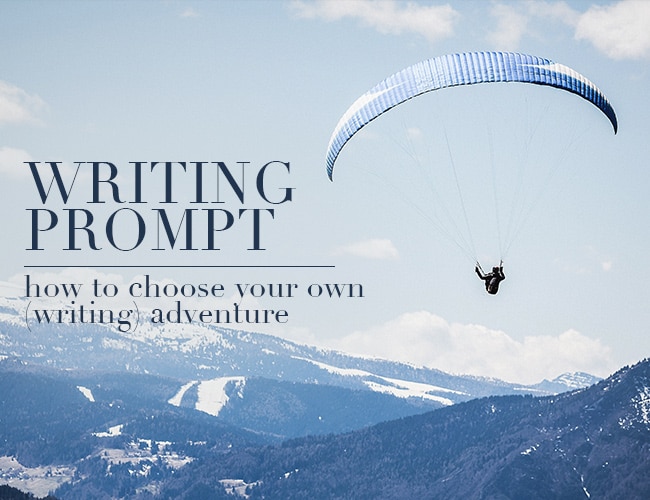
When I was a kid, I loved reading Choose-Your-Own-Adventure novels that had alternate paths written into the story. If you aren’t familiar with them, they were elementary or middle grade chapter books that begin a story and at key moments, offer the reader a choice: “To go through the portal, turn to page 37. To run away, turn to page 45.”
I loved seeing the story change with the choices, and I reread the books making different choices each time to experience a new story. I’ve channeled my inner adventurer to put together a fun prompt.
by Liz Bureman and Sue Weems |
If you’ve opened a novel and seen a quote on the opening pages then you’ve seen a literary epigraph. But what are they really? Why do authors use them? And how do you know if you need one for your own work in progress?
by Liz Bureman and Sue Weems |
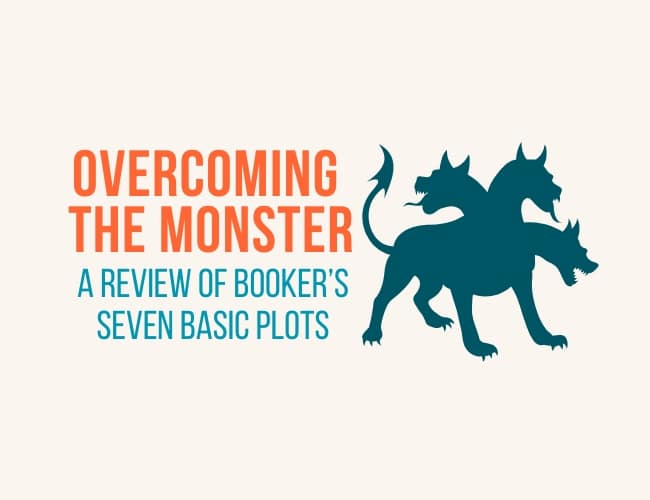
Christopher Booker published The Seven Basic Plots in 2004, and he argues that all stories told in any medium can be categorized into one of seven archetypes. Today, we’re covering the first plot: Overcoming the Monster. Read on to see if this archetype can help you write a better story.
by Sue Weems |
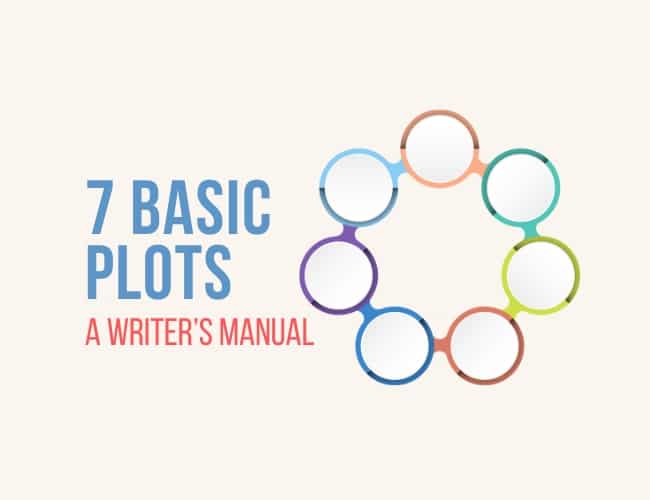
Ever wonder why some stories feel so familiar? It’s because most of them follow a similar structure or plot pattern. Christopher Booker’s The Seven Basic Plots is an analysis of stories based on Jungian psychology. Can one of his 7 basic plots help you write your next book?
by Sue Weems |
C.S. Lewis wrote over 30 books in a variety of genres. If we cornered C.S. Lewis on writing, what advice would he give? And would it still be relevant for us today?