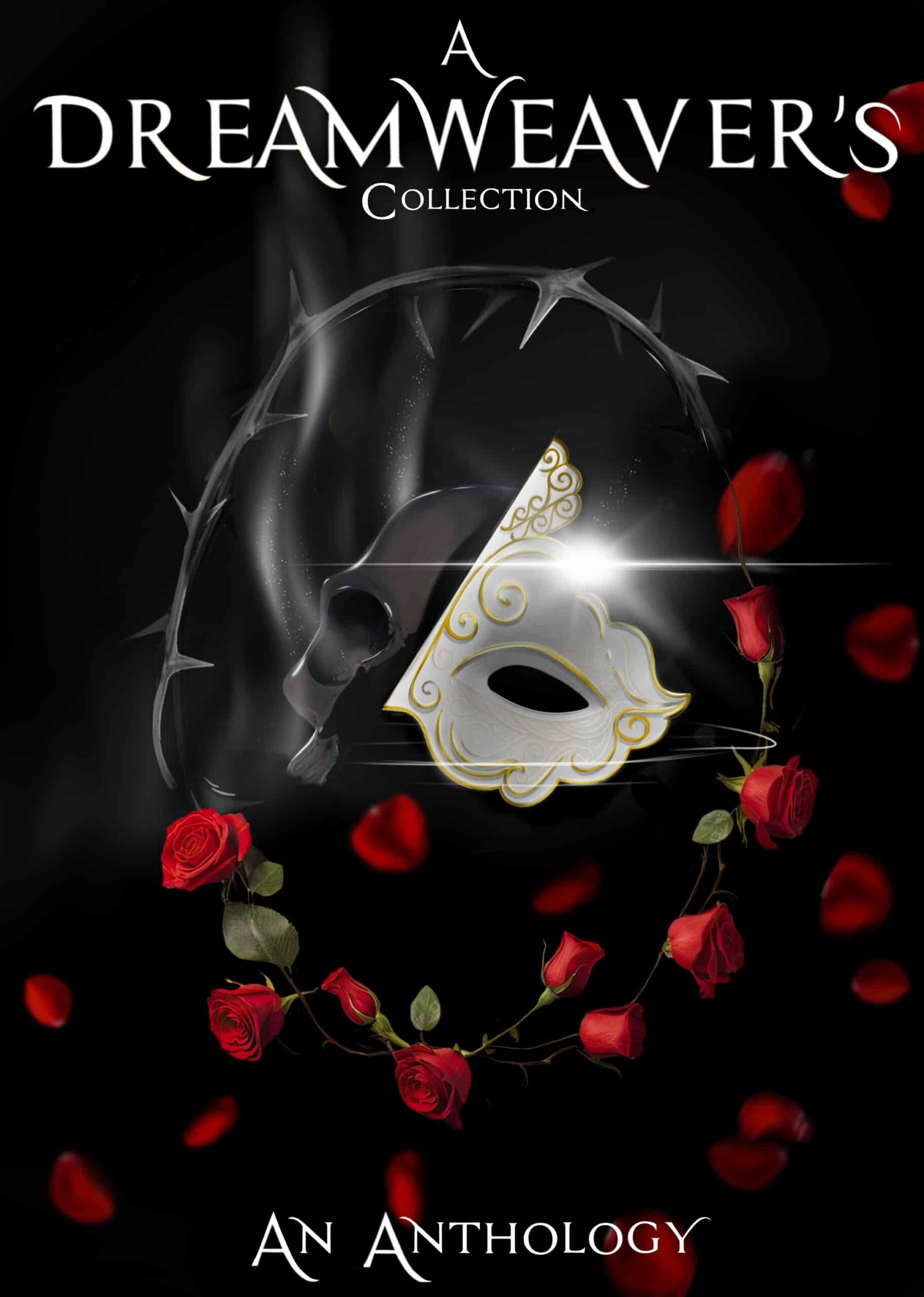
I have read The Memoir Project three times. I have taken notes and underlined my favorite sections. Marion Roach Smith has solid advice on how to write your own stories. Let me share nineteen tips on writing memoir from The Memoir Project.

At The Write Practice, we publish a new article each day designed to help writers tackle one part of their writing journey, from generating ideas to grammar to writing and publishing your first book. Each article has a short practice exercise at the end to help you immediately put your learning to use.
Check out the latest articles below or find ones that match your interest in the sidebar.
And make sure to subscribe to get a weekly digest of our latest posts, along with our free guide, 10 Steps to Become a Writer.
I have read The Memoir Project three times. I have taken notes and underlined my favorite sections. Marion Roach Smith has solid advice on how to write your own stories. Let me share nineteen tips on writing memoir from The Memoir Project.
Characters are one of the most important elements of any story. And character development can be challenging to get right.
Characters are critical for drawing readers into a story. They should also be the force that pushes your plot forward. A strong character can bring the story’s entire world to life. They can make your readers cry and even feel like a real friend. A weak one can deflate an entire book like a leaky air mattress.
The end of the year can be strange for word-lovers. If you’re anything like me, your last “365” had great writing days and not-so-great ones. There were days when the muse sang and days when her only appearance was to say she didn’t exist. (And never had. Or never would again. You know how capricious the muse is.)
Well, screw that capricious muse. It’s time to take a stand. I’m calling all you word-lovers to take a step with me: it’s time to call yourself a writer.

We’re tackling one of the less obvious grammatical foibles today. Did you know that there is a difference between lay and lie? Because there is! Let’s explore.
Other than the definition of “to tell an untruth,” lay and lie are often used interchangeably. But lay is a transitive verb, meaning it requires a subject and one or more objects. Lie, on the other hand, is an intransitive verb, which means that it doesn’t need an object.
So if you wanted to say that you (the subject) lay on the floor (the object) in the fetal position all day yesterday, that’s correct. If you said that you lay in said position all day regularly, that would be wrong.

We use email every day. For work. For fun. For love letters.
It’s so easy. The standards are so low. Even at work—the standards are lower than other forms of communication.
But you’re a writer. And as a writer, you have the unique ability to make your emails stand out among the masses. You are capable of crafting the perfect email.
In a world where you can send a message in a few minutes with email, twitter, snapchat, or the latest popular way to contact a friend in another city, state, or continent, a letter posted though the mail carries a wonderful appeal.

They say a picture’s worth a thousand words, but can you get even more words out of one? What about two-thousand? A whole novel? It’s all up to you. But I do have three tips for you to find writing inspiration, as well as five images you can use to spark your creativity.
In the New York Review of Books, Zadie Smith describes the Italian painting “Man Carrying Corpse on His Shoulders” in the detailed way that we writers try to describe the images in our heads. When I read it, it led to a kind of an epiphany–like “oh, that’s how you do it.”
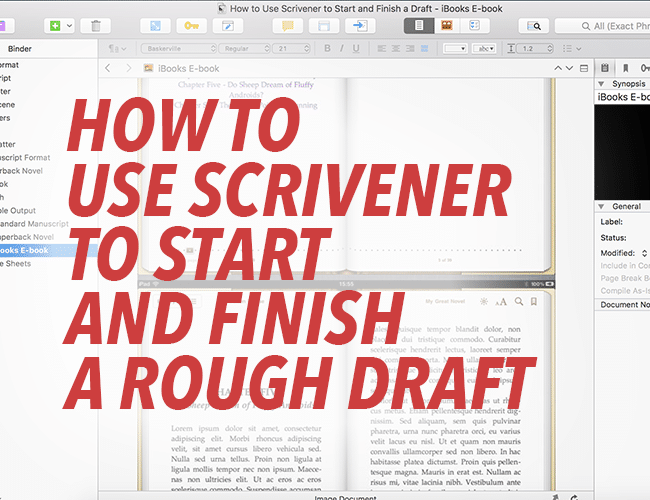
You’re ready to start drafting.
At this point, you’ve been introduced to the important pieces of Scrivener’s user interface; you’re familiar with the essential plot and structure principles, including why you should break your story out into component scenes, which Scrivener excels at; you know how to create character and setting sketches using template sheets; and you have a complete account of my storyboarding process for planning stories and getting unstuck while you’re writing.
In other words, you have all the tools you need to start drafting your story.
TODAY our community, Becoming Writer, became a year old. Becoming Writer is a membership community that turns aspiring writers into daily writers, and I’m so excited that we’ve reached our first anniversary.
We wanted to do something awesome to celebrate, and so today, we’re announcing a new writing contest, which we’re hosting jointly with Short Fiction Break. The top story will win a $300 cash prize, and the two runners-up will get $100 each.