by Joe Bunting |
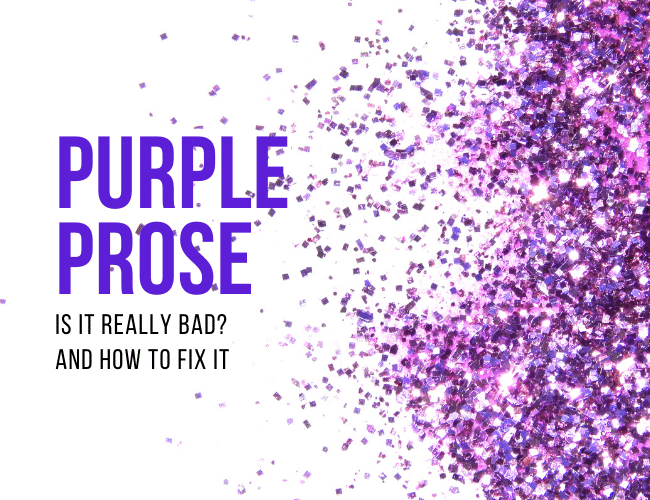
You might have heard the writing advice, “Don’t write purple prose.” Or perhaps you’ve even been told your prose is purple, but you’re not quite sure what that means and if it’s really a bad thing.
What is purple prose? Is it really bad? And how can you fix it in your writing?
by Joe Bunting |
Five act structure is a method of structuring a story that has existed for centuries. But does it work? And more importantly, will it work for your story?
In this article, we will learn the definition of the five act structure, explore its origins, look at popular examples, and talk about whether it’s actually useful as a story structure framework for readers and writers.
by J. D. Edwin and Joe Bunting |
Do you love writing but find it hard to be productive when working on your book? Have you tried the Write or Die app to help you stay focused?
Write or Die is a writing app that uses various tools to keep you focused and productive during timed writing sessions.
Not everyone loves restrictions when working on a book, but those who do often find the accountability factor a game changer to actually reaching their word count.
If this is you, but you haven’t found the perfect tool to help with your procrastination pitfalls, Write or Die might be the answer.
It was for me, which I’ll explain more in this post.
by Joe Bunting |
Interviews are far more than a tool for a hiring process. For writers, interviews produce ideas, voice, and more. But in an interview, you want to have a conversation, not an interrogation. A good interviewer makes their interviewee comfortable.
by Joe Bunting |
Genre matters, and by understanding how genre works, you not only can find more things you want to read, you can also better understand what the writer (or publisher) is trying to do.