by Joe Bunting |
I’m sure this never happens to you, but there are times when I don’t feel very creative. We just had a new baby, our second, bought a house, our first, and are now busy managing a thousand new details. All the busywork and bill paying leaves me feeling pretty dry.
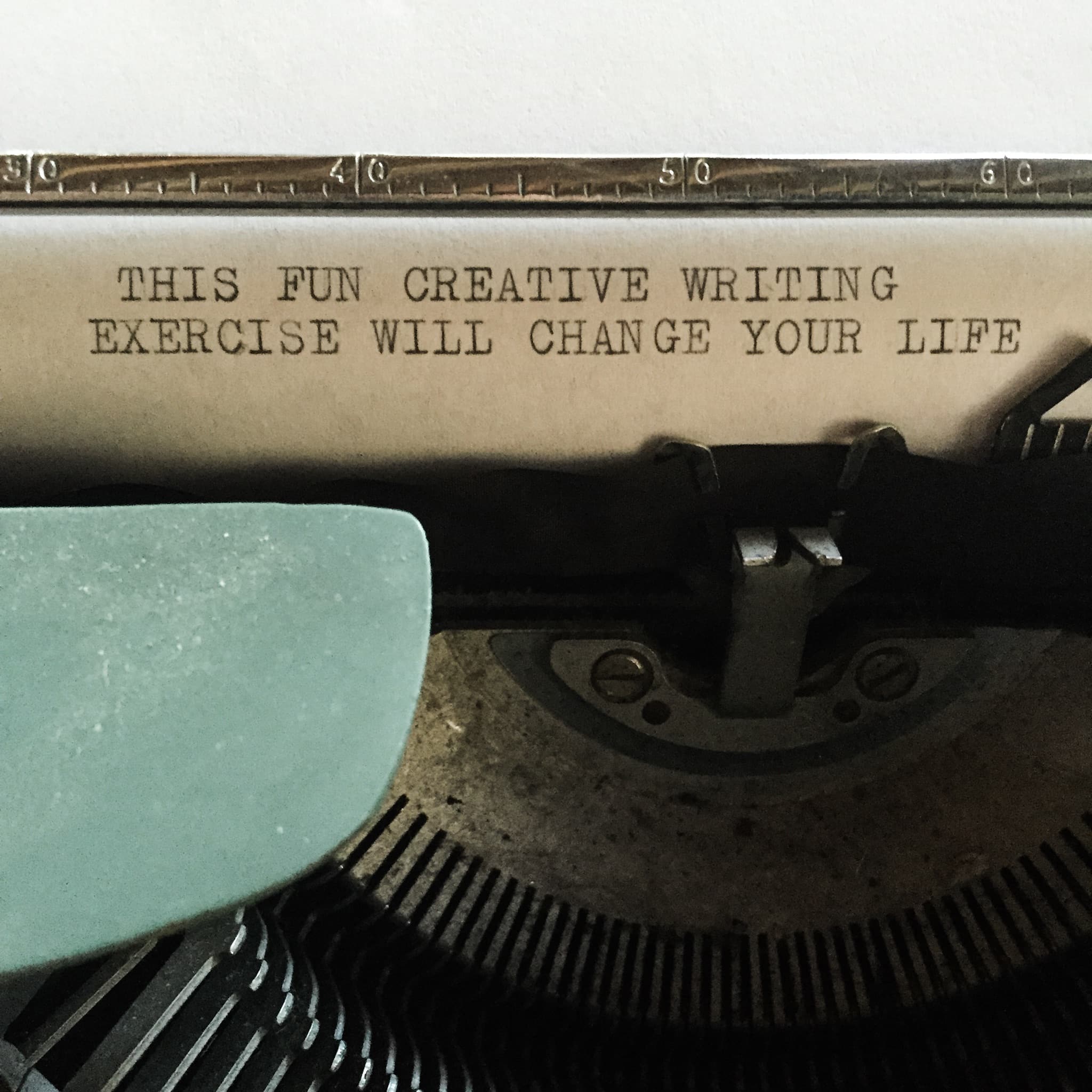
But no matter how un-creative I’m feeling, there’s one creative writing exercise that never fails to fire up my writing.
by Joe Bunting |
Stories are complicated, twisty, multi-faceted things. At some point, in many of the best stories, it feels like everything is in complete chaos, and then, seemingly all at once, it’s as if the chaos has come to a head in a way that makes everything line up perfectly.
And one of the best tools in a writer’s tool belt is the subplot.
But what is a subplot? How can you spot it in the books and stories you love most? And if you’re a writer, how do you use it to tell better stories?
In this article, I’m sharing everything you need to know about subplots. I’ll start with the definition of the literary term, then show you how it fits into a story structure, examples of some of my favorite subplots, and even tips from my own experience on writing novels with subplots.
by Joe Bunting |
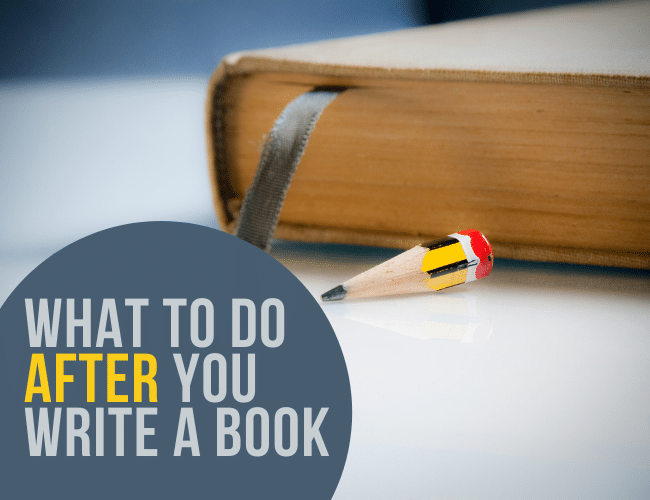
You worked hard. You stayed up late, got up early, pushed through writer’s block, and finally, at long last, finished writing your book.
But after you write your book, what comes next?

by Joe Bunting |
If you’re like most writers I know, you probably dream of getting published. But as I’ve worked with writers for the last six years, I’ve found that most are woefully unprepared for what publishing actually takes, and this means that either they never figure out what it takes to get published or when they finally DO get published, they find themselves disappointed with the process and with how many books they sell.
How do you prepare for getting published though? There are several steps, but the first step is building an author website. In this article, I’m going to share a step-by-step guide to building a simple author website yourself that will support all of your publishing efforts.
by Joe Bunting |
In stories, we get to see the cause-and-effect connections between otherwise random events. We get to experience the deeper meaning in life. We get to see through the chaos of real life and see the underlying pattern.
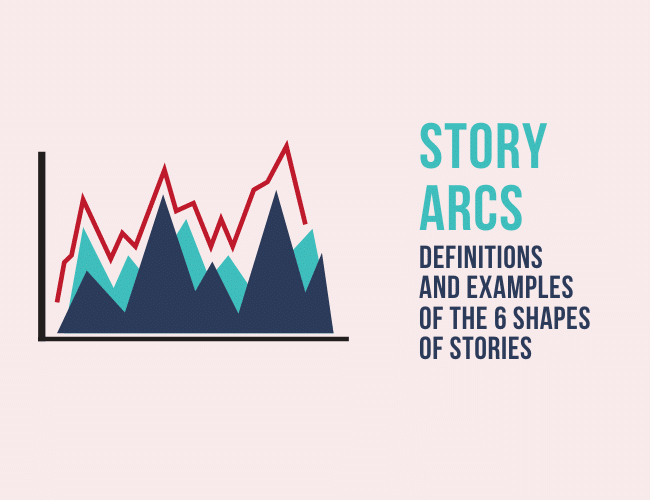
The literary term for this pattern is story arc, and humans love story arcs.
In this article, we’re going to talk about the definition of story arcs, look at the six most commonly found story arcs in literature, talk about how to use them in your writing, and, finally, study which story arcs are the most successful.