Here to learn? You’re in the WRITE place!

At The Write Practice, we publish a new article each day designed to help writers tackle one part of their writing journey, from generating ideas to grammar to writing and publishing your first book. Each article has a short practice exercise at the end to help you immediately put your learning to use.

Check out the latest articles below or find ones that match your interest in the sidebar.

And make sure to subscribe to get a weekly digest of our latest posts, along with our free guide, 10 Steps to Become a Writer.

How to Learn to Write by Reading

A pop-up bookstore opened up next to my job, full of used books. One antsy afternoon, I took a stroll around the store looking for anything on my “to-read” Goodreads list.

That’s when I found it: Francine Prose’s “Reading Like a Writer: A Guide for People Who Love Books and for Those Who Want to Write Them.” This helpful book shares how we can learn to write better by reading intentionally.

I haven’t finished the book yet, but I’m already inspired and am dying to share what I’ve learned so far. So without further ado, here are three ways you can learn to write better by reading.
3 Devious Steps to Write an Antagonist You Hate

3 Devious Steps to Write an Antagonist You Hate

In any good book there is conflict. Often, that conflict is between the characters. No matter how many characters you create, it all boils down to two: The Protagonist and the Antagonist. The stars of the show.

We write a lot about the protagonist, the one who really is the actual “star.” But I’ve noticed that not as much attention is devoted to the antagonist. In my own writing, I find it much more difficult to write about him then the protagonist. At times, I find it nearly impossible to relate to him and his beliefs, to be able to step into his shoes as I do with every other character.

Today, I’m sharing how to write a great antagonist, even if you can’t stand him.

8 Fun and Inspiring Writing Quotes from Kathy Jeffords

8 Fun and Inspiring Writing Quotes from Kathy Jeffords

The Write Practice exists to help writers improve their craft through deliberate practice. Through doing this, we get to meet new aspiring writers who are growing in their craft and encouraging and inspiring others. This week we wanted to share with you some fun, inspirational writing quotes from our new friend Kathy Jeffords.

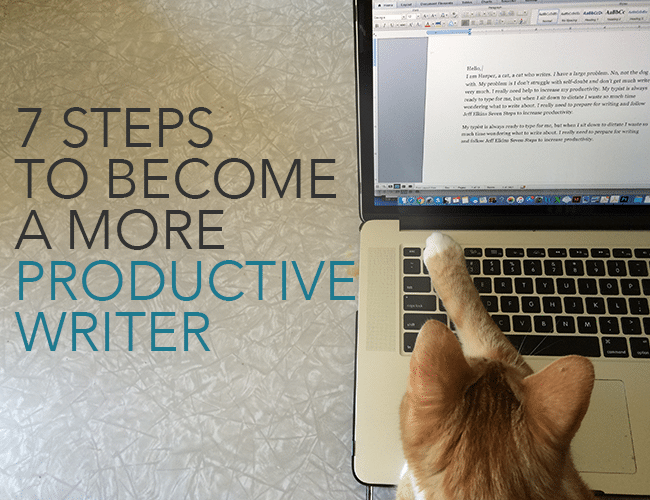
7 Steps to Become a More Productive Writer

7 Steps to Become a More Productive Writer

I am Harper, a cat, a cat who writes. I have a large problem.

No, not the dog I live with. My problem is I struggle with self-doubt and don’t write very much. I really need help to become a more productive writer. My typist is always ready to type for me, but when I sit down to dictate I waste so much time worrying about the quality of my writing.

I really need to prepare for writing and follow Jeff Elkins’s Seven Steps to Increase Productivity—The Elkins Seven.

How to Write Dialogue Without Using Adverbs

How to Write Dialogue Without Using Adverbs

It made a generation fall in love with Gilmore Girls, and almost destroyed Star Wars Episodes 1, 2, and 3. Dialogue can make or break a story. When it is good, we are joyfully entangled in it. When it is bad, the story can be painful to read.

To spice it up, we will often turn to descriptors—adjectives and adverbs the convey the emotion we hope the reader will hear. But these “ly” words can break a reader’s flow, making our story feel disjointed.

Never fear! There is hope! If we start with a good foundation and sprinkle some action, we can write dialogue that sings. Here are three steps to crafting vivid, believable dialogue.

How Writing Habits Make Writing Easier

How Writing Habits Make Writing Easier

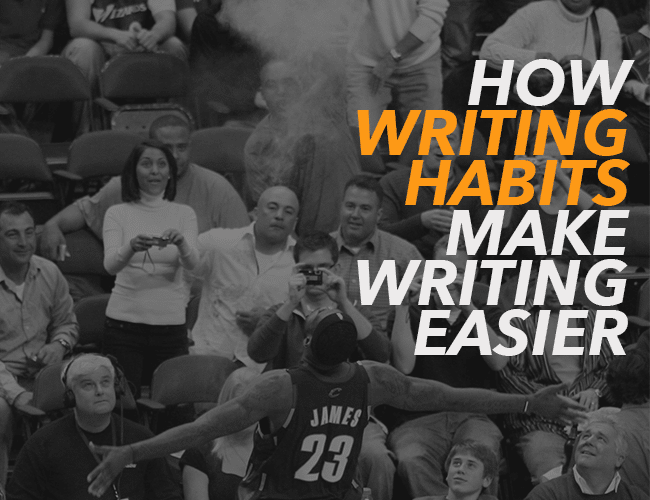
As all athletes know, whether you’re getting ready for a basketball game or a short jog, you need to loosen up. But for elite athletes, just like writers, loosening up isn’t just about warming up the physical body; it’s also about preparing yourself mentally for what is to come.

If you’ve ever seen basketball star LeBron James’ pregame “chalk toss” ritual, you’ll know what I’m talking about. You may not toss chalk before you write, but you can develop writing habits that will make your writing easier.

The “Than” Versus “Then” Debacle

The “Than” Versus “Then” Debacle

Sometimes you have to get back to basics. All writers are guilty of making mistakes at some point, and they kick themselves for months after an astute reader notices that they added one too many o’s to their “to.” Once that’s in print, you can’t take it back.

So today, I’d like to draw attention to one common mistake so that you will hopefully never have to take it back: the then-vs.-than debacle.

How to Study Subtitles to Write Better Dialogue

How to Study Subtitles to Write Better Dialogue

A vast majority of writers struggle with dialogue. We wonder how to make it real, make it believable, and make it stand out.

What if I told you that you can become a better writer and watch your favorite shows and movies at the same time—and all you have to do is turn on the subtitles?

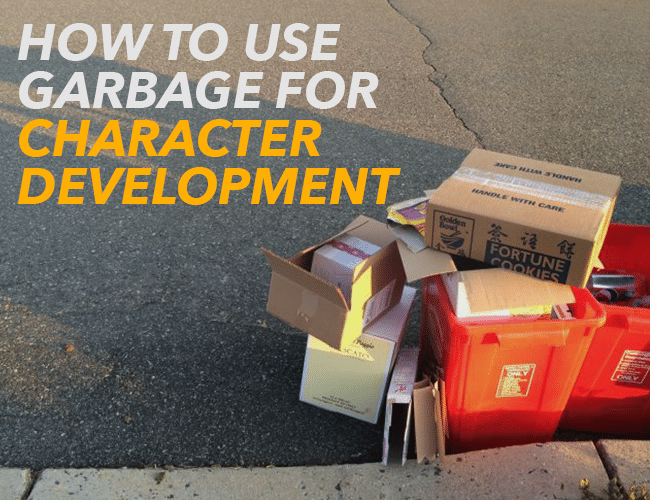
How to Use Garbage for Character Development

How to Use Garbage for Character Development

Today is garbage day in my neighborhood. Naturally, when I went for a walk with my dog Annie this morning, I looked at my neighbors’ garbage. What did people throw away? What did their trash mean? What what can we discover about a person from what they throw away, and how they throw it away?

People leave clues about their character in their trash. Today we will practice character development by writing about someone’s garbage—what they throw away.

Say Yes to Practice

Join over 450,000 readers who are saying YES to practice. You’ll also get a free copy of our eBook 14 Prompts:

Popular Resources

Books By Our Writers

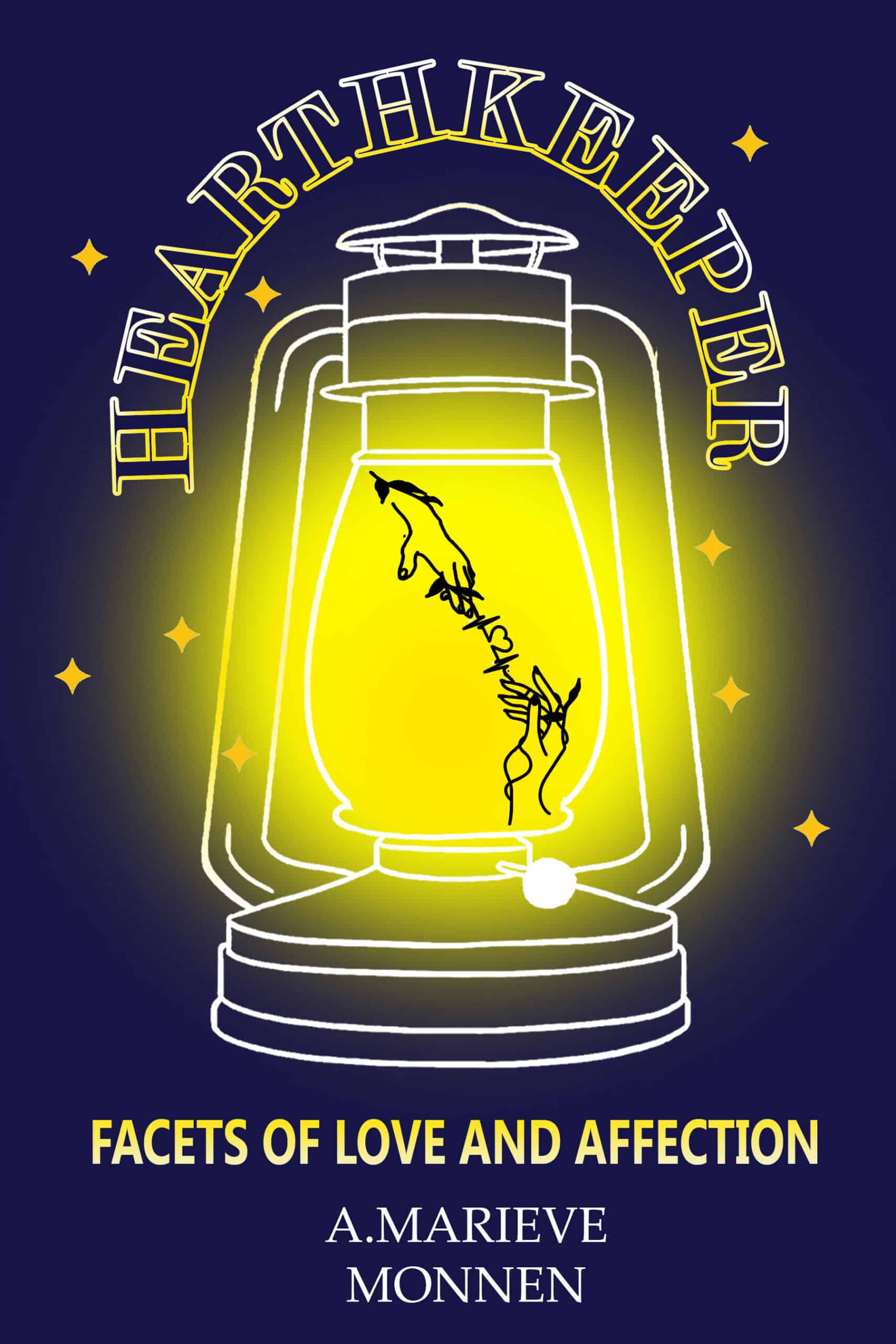
HEARTHKEEPER
- A. Marieve Monnen
Box of Shards
- K.M. Hotzel
The Girl Who Broke the Dark
- Evelyn Puerto