Good stories are made up of moments: good moments, bad moments, but most of all, life changing moments.
A writer’s job is choose the best, most essential moments in a character’s life and throw the rest out.

At The Write Practice, we publish a new article each day designed to help writers tackle one part of their writing journey, from generating ideas to grammar to writing and publishing your first book. Each article has a short practice exercise at the end to help you immediately put your learning to use.
Check out the latest articles below or find ones that match your interest in the sidebar.
And make sure to subscribe to get a weekly digest of our latest posts, along with our free guide, 10 Steps to Become a Writer.
Good stories are made up of moments: good moments, bad moments, but most of all, life changing moments.
A writer’s job is choose the best, most essential moments in a character’s life and throw the rest out.
True menace is hard to write.
Spoiler: Writing a good villain is not about superpowers. It’s also not about backstory. Both of those can help you write a menacing antagonist, but they can also make your antagonist simply silly, or so sympathetic that readers forget to be scared (I’m looking at you, Loki).
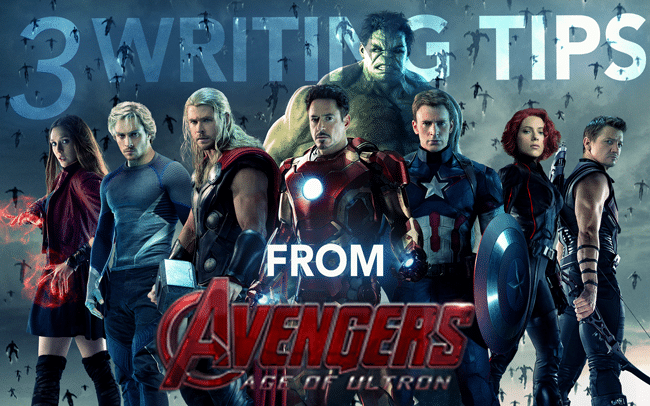
When I heard that author, director and all-around nerd royalty Joss Whedon was reprising his dual roles in the screenwriter’s and director’s chairs for Avengers: Age of Ultron, I came to the theater armed with a notepad, figuring I could take home some stellar writing tips from the guy who poured so much of himself into this film that he nearly died of exhaustion.
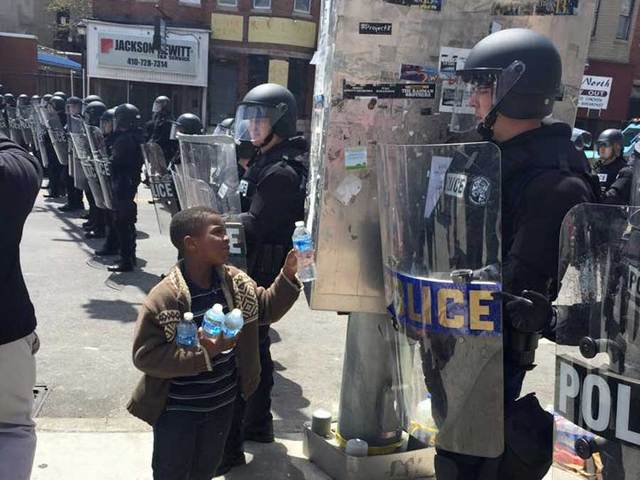
I think that in the politics and coverage of the situation in Baltimore, the humanity of both the citizens and police officers has been lost.
In light of that, I’m turning today’s writing prompt into an attempt to find that humanity by asking you to write about the photo below.
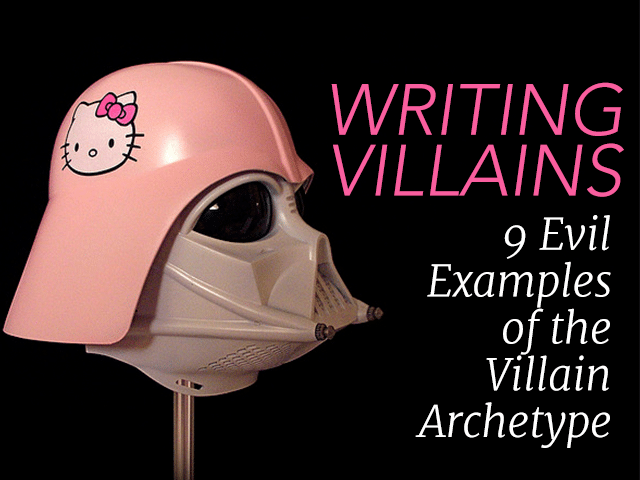
You’ve been told your story needs conflict. You’ve been told that each scene needs to have tension. You might have even been told you need to be writing villains, memorable antagonists that can supercharge your plot.
But unless you’re writing a fantasy novel, you might not be sure how to do this. You associate villains with Darth Vader and Jafar from Alladin.
What do bad guys look like in realistic literature?
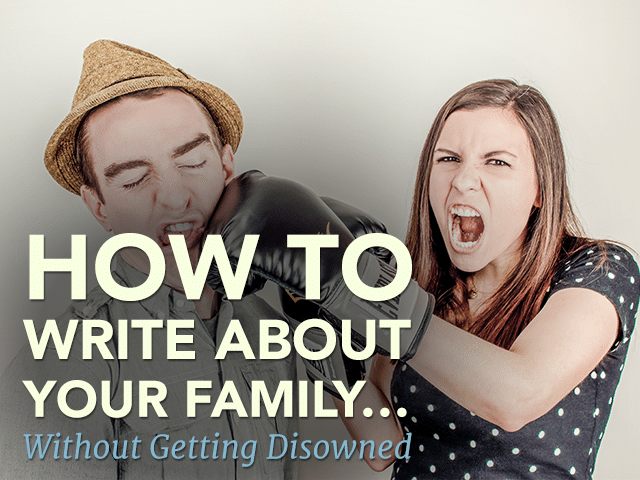
As writers, we often draw from what we know to create our art, and the subject many of us often know the deepest is our family. But how do you write about your family without hurting them, especially if, like most of us, your family is less than perfect?
As a fiction writer eager to improve my craft, I’ve long wanted to try out the story-a-week approach recommended to aspiring writers by Ray Bradbury. After all, he said, it’s impossible to write fifty-two bad stories in a row.
Not to scare you, but there’s more than one kind of writer’s block.
There’s the overarching plot kind, which is big and broad and says, “I don’t know what happens next.” There’s the links-in-a-chain kind, which is like a map with paint spilled on it and says, “I know the beginning, and I know the end, and I have no idea how to get there.”
Then there’s the stubborn character kind, which I like to summarize as, “My protagonist is being a butt.”
There are times to follow the rules of story, and there are times to break the rules. When should you use the three-act story structure, and when should you discard it entirely?

When I attended the writer’s retreat with Wild author Cheryl Strayed a few weeks ago, I learned a lot about writing and storytelling. I learned about leaning into subjectivity and the power of objects.
I was also struck by two points Cheryl made about revelations.