How does onomatopoeia work? And how can you use it to write sounds? In this article, I’ll give you the definition of onomatopoeia, share a list of onomatopoeia examples, and end with a creative writing exercise.

At The Write Practice, we publish a new article each day designed to help writers tackle one part of their writing journey, from generating ideas to grammar to writing and publishing your first book. Each article has a short practice exercise at the end to help you immediately put your learning to use.
Check out the latest articles below or find ones that match your interest in the sidebar.
And make sure to subscribe to get a weekly digest of our latest posts, along with our free guide, 10 Steps to Become a Writer.
How does onomatopoeia work? And how can you use it to write sounds? In this article, I’ll give you the definition of onomatopoeia, share a list of onomatopoeia examples, and end with a creative writing exercise.
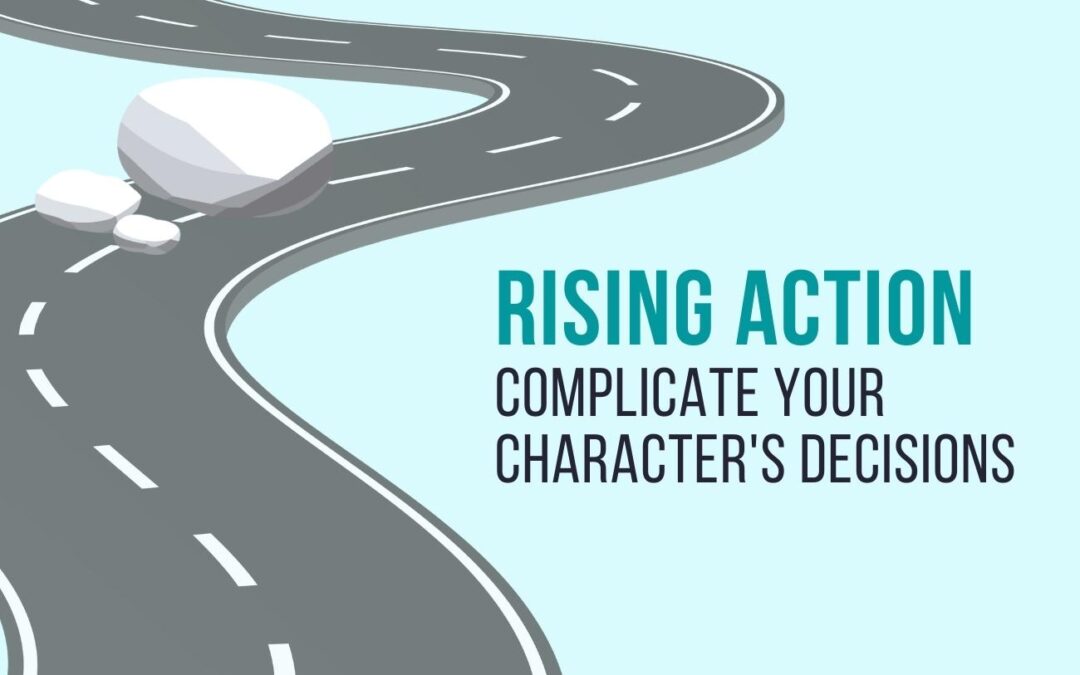
If you’ve ever told a good story—one that has your friends or family on the floor laughing, or else on the edge of their seat asking, “What happened next?!”—then you know that you can’t get to the point of the story too quickly.
Instead, you draw out interest. You talk about all the things that went wrong. You make jokes and accentuate the best details. When you’re done, it’s not the punchline people remember; it’s everything leading up to it.
The same is true when you’re writing a story, particularly in novels, memoirs, and screenplays. It’s called the Rising Action, and it’s essential to get it right IF you want to write entertaining, informative, and deeply connecting stories.
In this article, I’m going to talk about the rising action: what it is, how it works in a story, how it’s been treated by scholars who study story structure throughout history, and finally how you can use it to write a great story.
Do you enjoy a good whodunit? So do I! There’s something wonderful about a cozy mystery, especially for writers. Crafting a good mystery is one of the best writing exercises there are. Today, it’s my pleasure to share with you some fun, quirky, story ideas for writing mysteries.
So you want to know how to write a mystery novel. I’m delighted to hear it. I’ve been a mystery lover since I hid behind the Lincoln Logs in Mrs. Jenkins third grade classroom so I could finish my first Nancy Drew, undisturbed. Mystery hooked me that day, and has been leading me around by the nose ever since.
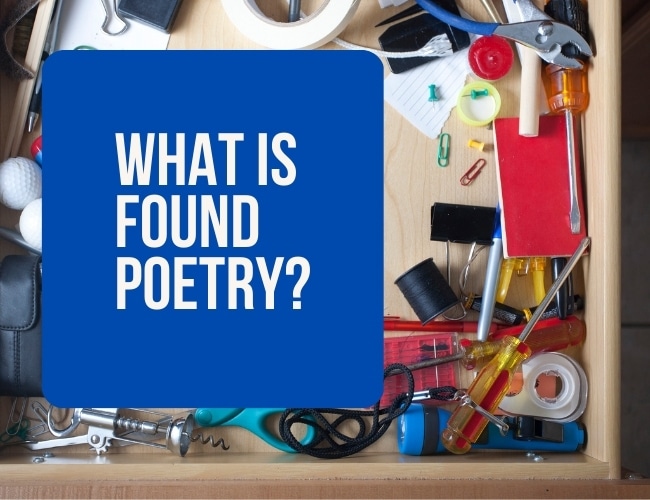
Found Poetry is the literary equivalent of collage. Much like the visual artist who combines multiple media (newspaper, feathers, coins, sheet music) into collage art, you can do the same with words, pulling concepts and phrases from various sources to create “found” poems.
If you are planning on writing a story, there is something you need to consider besides basic plot structure. You need to determine your Inciting Incident.
What incident will compel your protagonist to act, prompting them to move through a meaningful story?
Let’s take a look at what an inciting incident is and how to write one.
The thriller genre is wildly popular. Thrillers are like mysteries, but with a super dose of suspense, action, and anticipation for the reader. Here are some thriller story ideas to help you start crafting your own fast-paced thriller today!
A thriller is not just a rollercoaster ride, but like a whole day at a theme park with head-of-the-line privileges. Ride after wild ride with maybe just enough down time to eat a corndog and take a bathroom break. The necessary ingredients for a thriller include conflict, tension, and suspense, all tied up in a nice, twisty package.
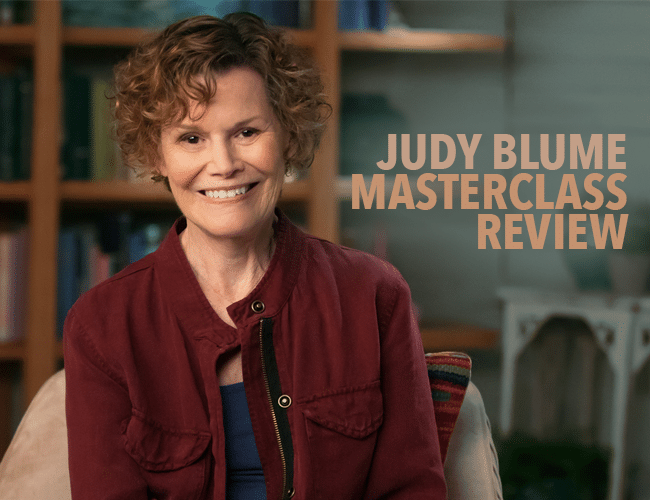
Honing your craft is one of the most important things you can do as an author. And when it comes to sharpening my writing skills, MasterClass is one of my go-to solutions.
I recently decided to check out Judy Blume’s MasterClass, and I’ve written a review with my thoughts on what it covers and whether it’s worth the money.
You’ve written a book. Congratulations! But wait . . . now what? What do you do with your manuscript? How do you turn it from a rough draft into a publishable book? The next step is to get professional developmental editing. A developmental editor will help you take your rough, unpolished ideas and turn them into an amazing second draft.
If you’re new to the world of editing, though, the term “developmental editing” might sound a little confusing. What is developmental editing? What makes it different from other kinds of editing, like line editing, copy editing, or proofreading?
Here’s everything you need to know about developmental editing, including how to find the best editor for your book.